Babble & Munch
Gentle, evidence-informed therapy that supports babies, children, and their families to feel safe, supported, and understood.
WORK WITH US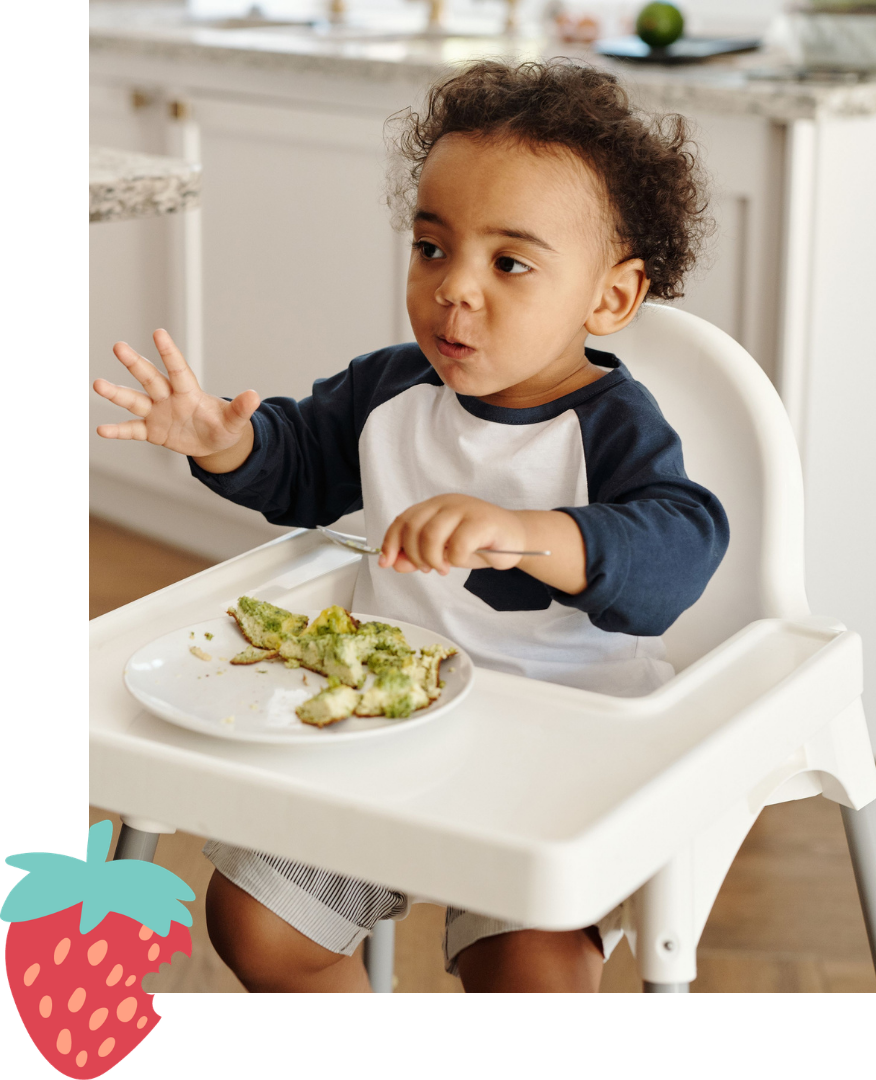
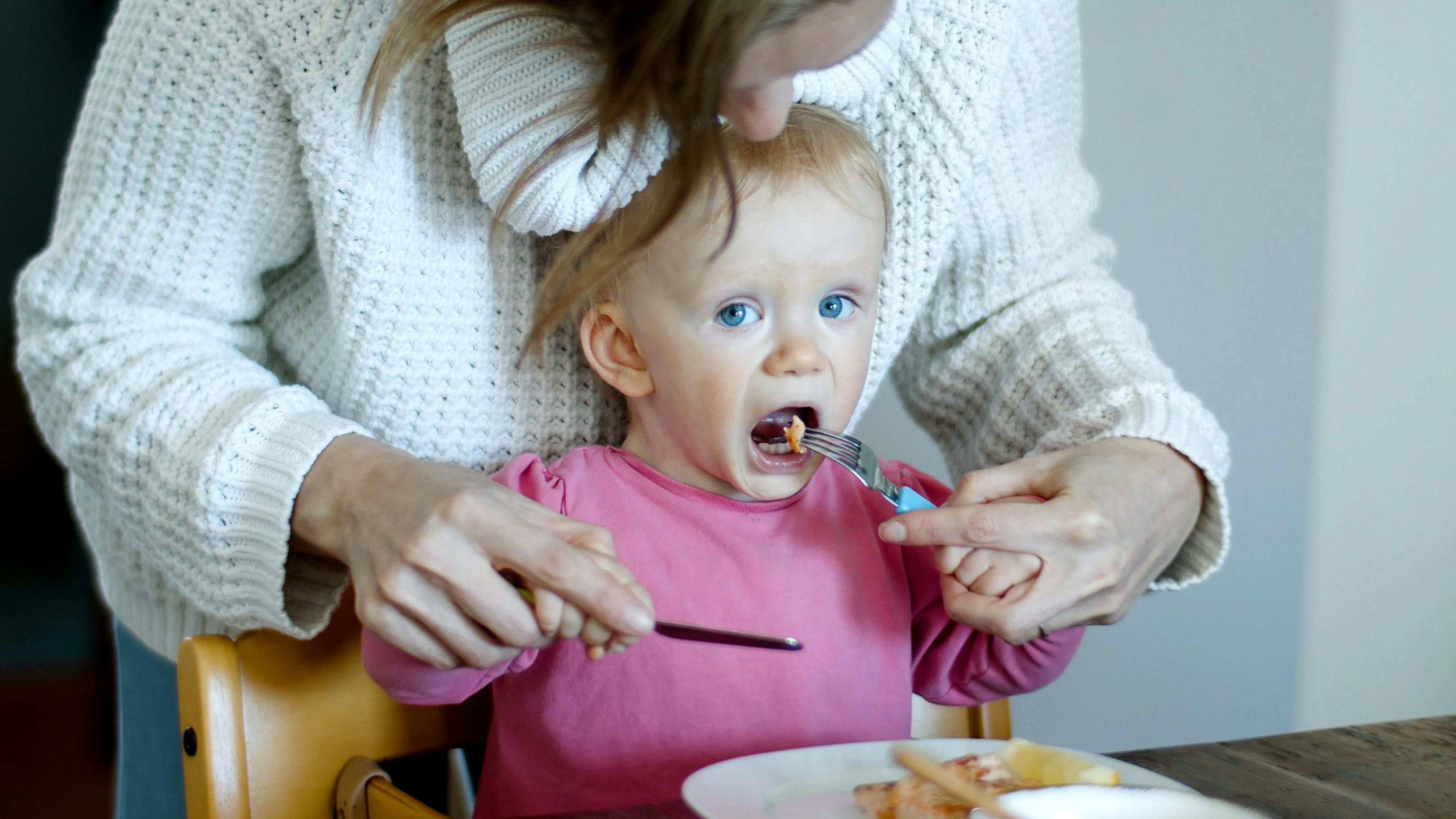
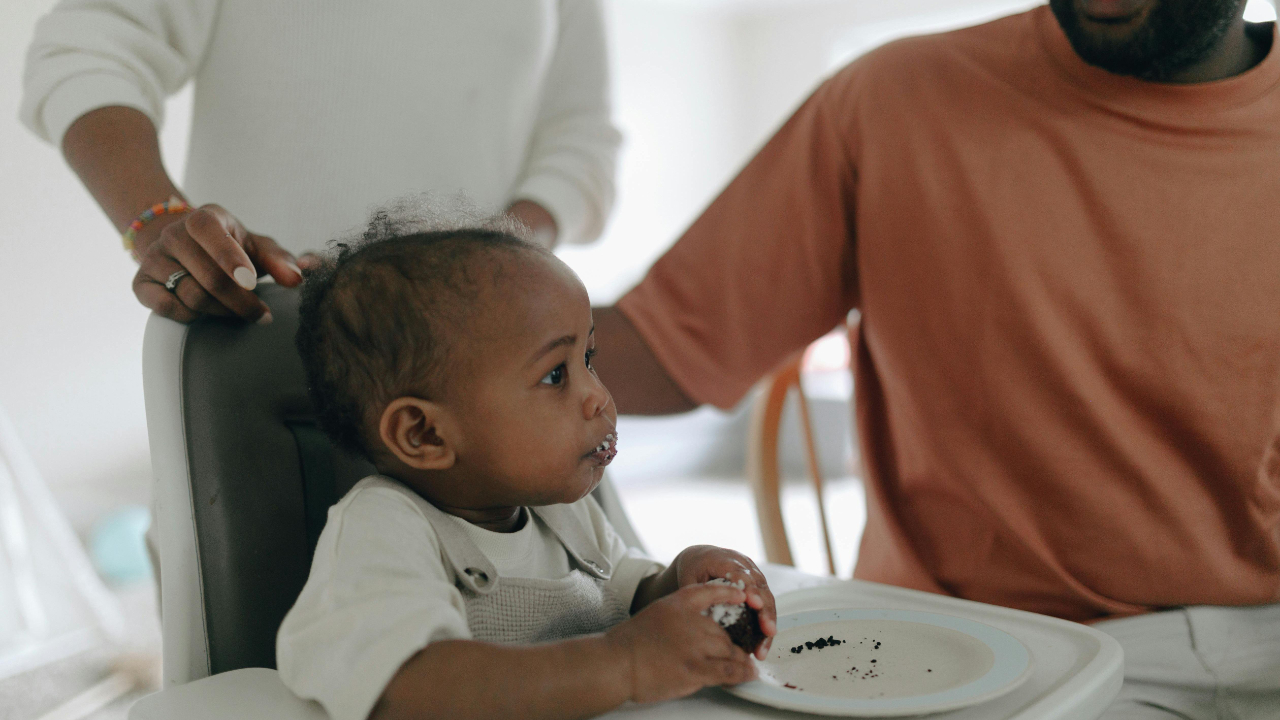
Trusted feeding therapy for infants and children - delivered by an experienced team shaping best practice in Australia
When feeding feels hard, we’re here to help.
Why families — and professionals — trust Babble & Munch
- Our approach is used by speech pathologists, OTs and paediatric therapists across Australia and beyond
- Over 1,500 professionals trained internationally
- Created by the founder of the Circles to Feeding™ Approach
- Trusted by families for over a decade, and frequently referred to by other speech pathologists and paediatricians for our expertise in feeding and swallowing support

We support babies and children with:
Feeding & Swallowing Difficulties (0-12 years)
Breastfeeding or bottle feeding issues Refusing to eat or drink
Feeding aversion or mealtime battles
Gagging, choking or coughing with food
Difficulty moving on from purees or soft foods
Chewing or oral motor problems
Fussy or picky eating
Slow weight gain or growth concerns
Tube feeding or tube weaning

Early Communication Concerns (0–2 years)
Not responding to sounds or voices
Delays in babbling or early speech
Late talking
Limited gestures or interaction
Concerns about overall communication development
Frustration when trying to communicate or be understood

Feeding therapy isn’t just about what a child eats - it’s how they feel while doing it.
At Babble & Munch, we don’t follow one-size-fits-all protocols.
Our practice is grounded in the Circles to Feeding™ Approach — a responsive, evidence-informed model developed by our founder, Carly Veness, and now taught and used by clinicians worldwide.
This method focuses on a child’s comfort, curiosity and capability across every stage of feeding, from breast and bottle to solids and beyond. We work closely with families to create a therapy experience that’s tailored, trauma-informed, and paced to your child’s unique needs – because effective feeding therapy isn’t just clinical. It’s relational.